Peynet Bandstand
Peynet Bandstand
Address
26000 VALENCE
Contact
Languages spoken
- French
26000 VALENCE
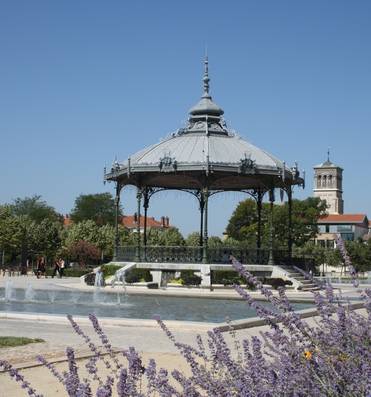
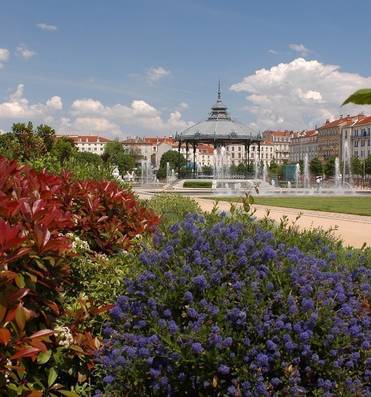
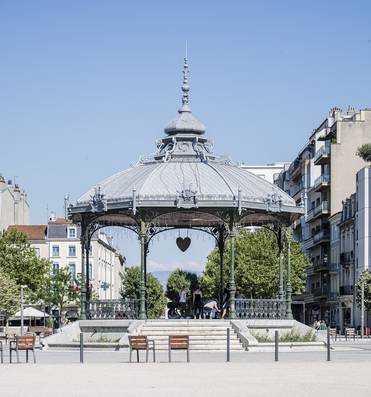
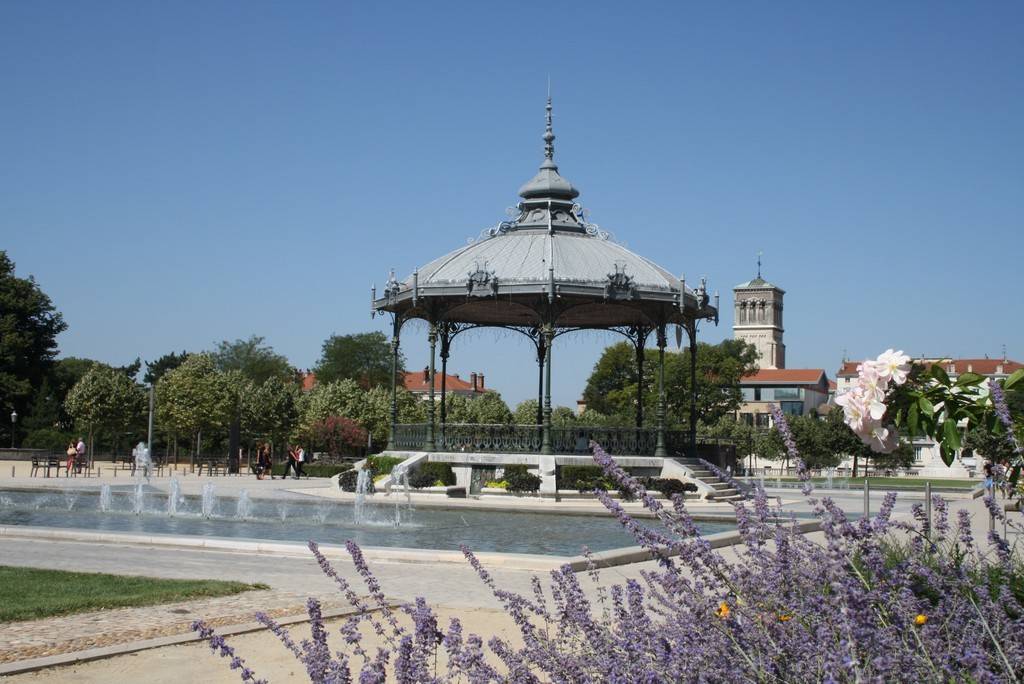
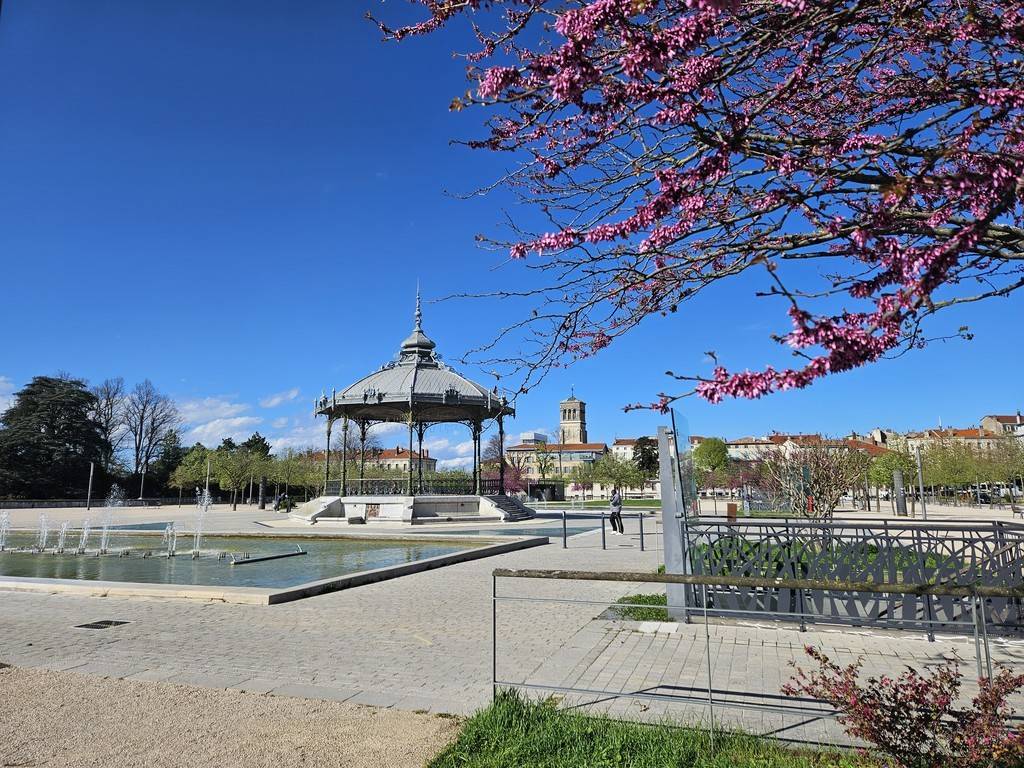
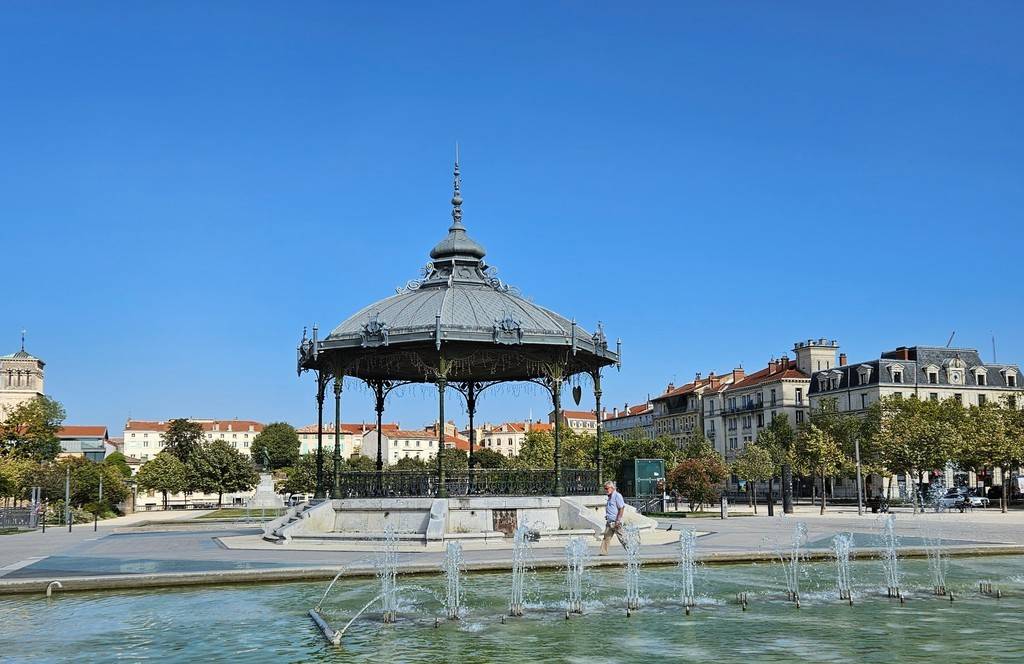
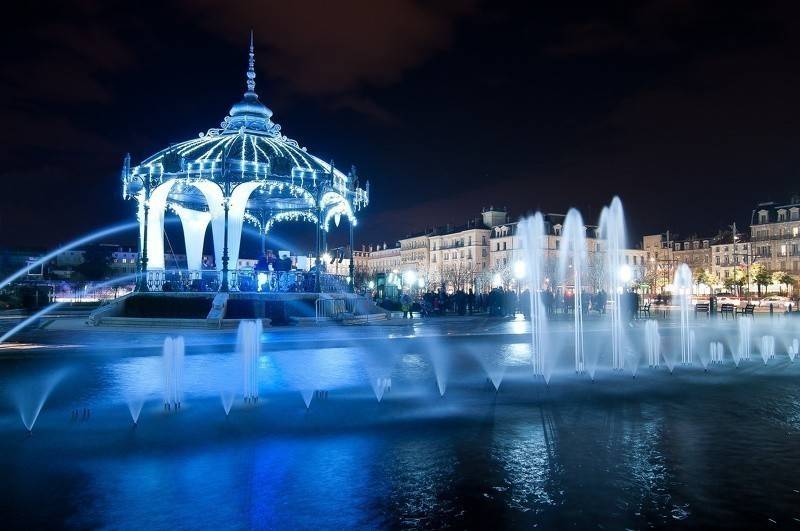
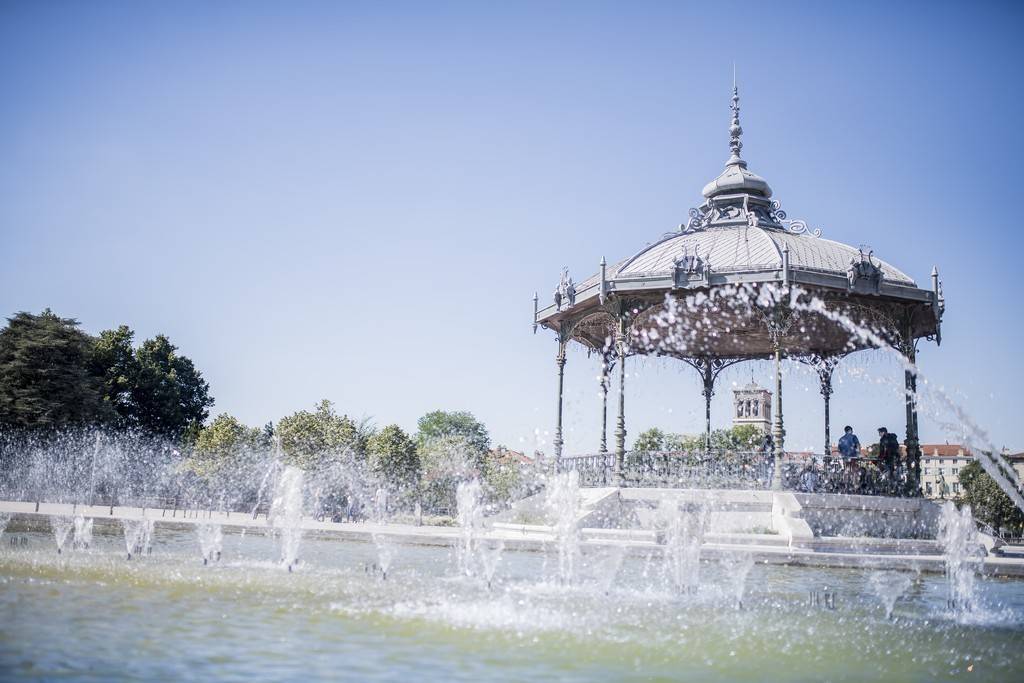
The Champ de Mars bandstand was designed in 1862 by architect Eugène Poitoux and became famous in 1942 thanks to illustrator Raymond Peynet.
The proliferation of bandstands in the mid-19th century was linked to the development of musical societies, choirs, and popular orchestras that performed there regularly. The first bandstand was erected in the center of the Champ de Mars in 1862.
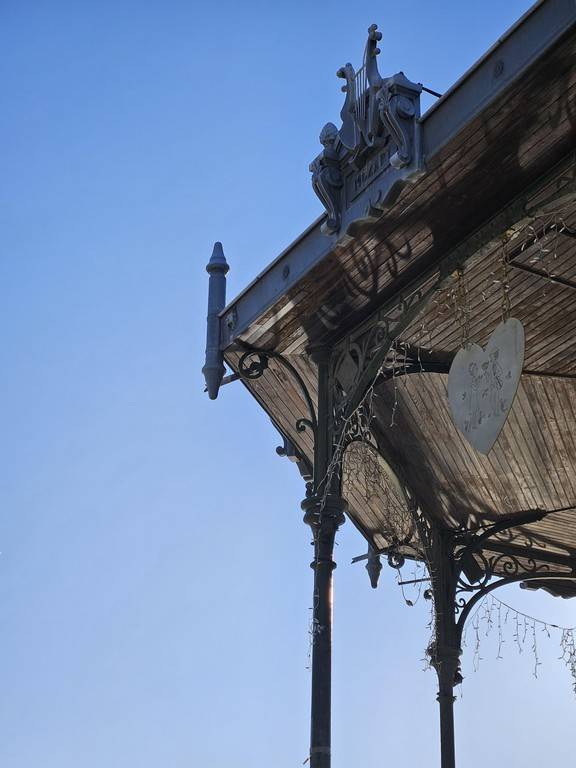
In keeping with the architectural codes of the time, it was built on a limestone base and consisted of cast iron pillars topped with a molded zinc roof decorated with lyres.
Replaced in 1890 by the current bandstand, designed by Eugène Poitoux, it owes its name to the illustrator Raymond Peynet, who, while visiting Valence in 1942, created his famous “lovers.” His sketch of the bandstand sheltering a violinist and an admirer would go on to be seen around the world. In 1966, in the presence of Raymond Peynet, the bandstand in Valence was officially named and classified as a historic monument in 1982.
© Service Ville Pays d'Art et d'Histoire Valence Romans Agglomération
All year round daily.
Gratuit
Cultural heritage
Valence